



Where Medical Tourism Meets Engineering Ambition
Turkey did not stumble into becoming the world’s dominant destination for hair transplant procedures. It engineered that position deliberately, through a layered combination of hardware refinement, software integration, and a clinical pipeline that has turned Istanbul into something resembling a factory floor for follicular restoration. The country now operates what amounts to a billion-dollar industry built on a foundation that keeps updating itself.
What makes the Turkish model unusual is not the volume alone – it is the feedback loop between commercial pressure and technical development. Clinics compete aggressively on price and outcome, and that competition has pushed engineers and surgeons to keep refining the tools. Specialized motors, machine learning algorithms, and procedure-specific hardware have all emerged from that pressure. The result is an industry that innovates not because of academic grants or government mandates, but because the market demands it.
The Hardware Layer: Motors and Precision Instruments
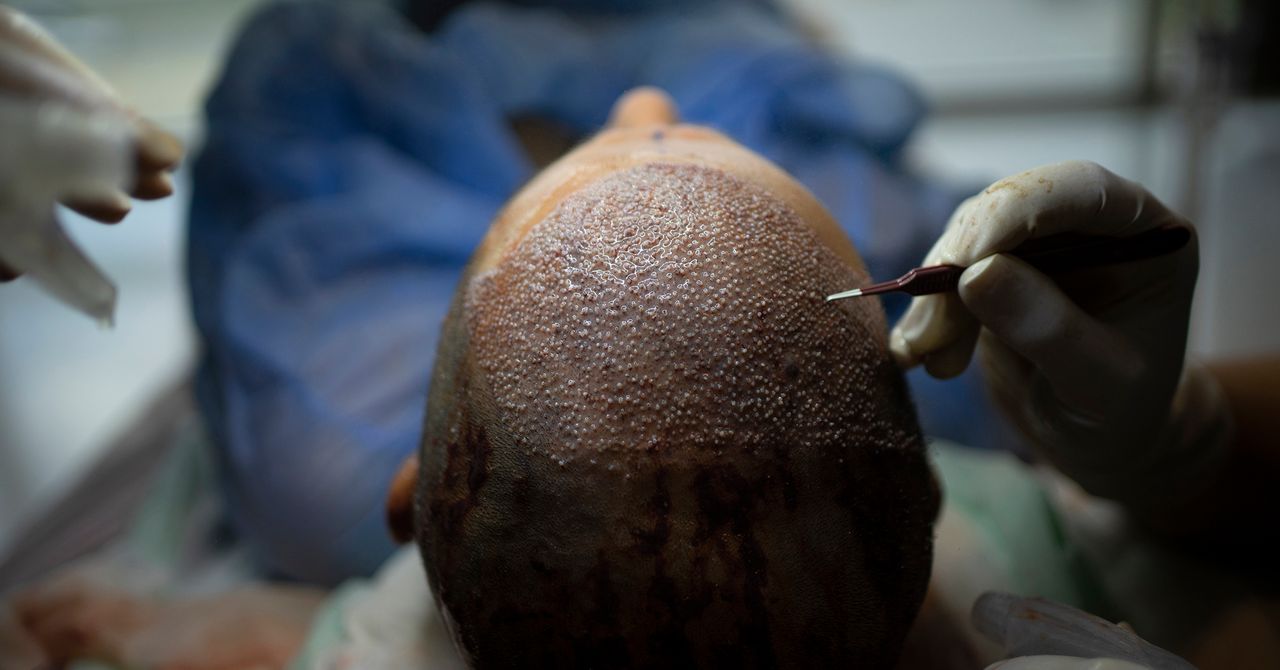
At the physical level, the Turkish hair transplant industry has moved well beyond the generic medical devices imported from larger markets. Specialized motors designed specifically for follicular extraction are now part of the standard toolkit in higher-end Istanbul clinics. These are not off-the-shelf components repurposed from dental or dermatological equipment. They are purpose-built for the specific torque, speed, and tactile feedback that hair transplant surgeons need when working at the scale of individual follicles.
The engineering focus on motors matters because the extraction phase of a hair transplant procedure is where graft survival rates are most at risk. A follicle damaged during extraction cannot be recovered. So the mechanical precision of the device doing that extraction has a direct and measurable effect on the clinical outcome. Turkish manufacturers and the clinics they supply have treated this as an engineering problem worth solving at the component level – not just a surgical technique to be mastered through practice alone.
Machine Learning Enters the Operating Room
The more striking development is the integration of machine learning algorithms into what has historically been a manual, judgment-intensive process. Hair transplant procedures require decisions at scale – which follicles to extract, in what sequence, at what angle, and how to distribute grafts across a recipient area to achieve density that looks natural rather than planted. A surgeon making those calls across thousands of individual grafts in a single session is operating under significant cognitive load.
Machine learning tools address that load by taking on the pattern recognition work. Algorithms trained on large datasets of procedure outcomes can analyze a patient’s scalp, map follicle density across donor and recipient zones, and generate extraction and placement plans that optimize for both yield and aesthetic result. The surgeon still performs the physical work, but the decision architecture guiding that work has been partially automated.
This is where Turkey’s scale becomes an asset that compounds on itself. The sheer volume of procedures performed annually means that Turkish clinics have access to procedure outcome data at a depth that clinics in the United States, the United Kingdom, or Germany simply cannot match. That data is what trains the algorithms. More procedures mean better models, and better models attract more patients, which generates more data. The loop is self-reinforcing.
It is worth being direct about what this means for the competitive position of medical establishments elsewhere. A hair transplant clinic in London or New York performing a few hundred procedures a year is not generating the kind of dataset that makes machine learning meaningful. Turkish clinics operating at industrial volume are. The technical gap this creates is not simply a function of investment – it is a function of throughput, and throughput is difficult to manufacture without the patient demand that Turkey has already captured.
The Economic Architecture Behind the Innovation
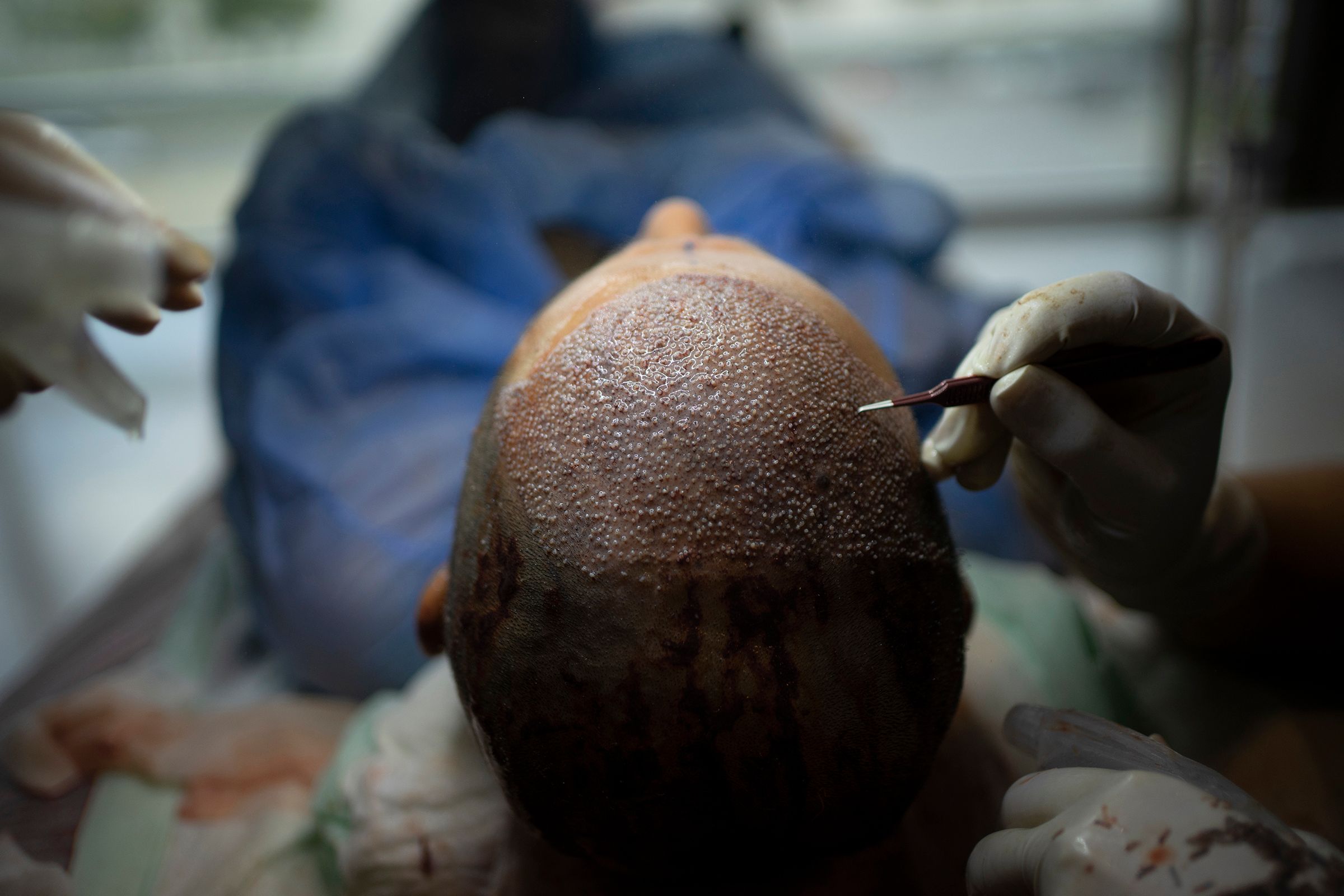
The billion-dollar valuation of Turkey’s hair transplant sector reflects how completely the country has captured medical tourism demand from Europe, the Middle East, and increasingly North America. Pricing remains dramatically lower than comparable procedures in Western markets, but the gap is narrowing on the technology side even as it holds on the cost side.
That pricing structure was initially possible because of lower labor and facility costs in Turkey relative to Western Europe. But relying on cost arbitrage alone produces fragile competitive advantages. What the industry has done instead is use the margin created by that cost difference to fund continuous reinvestment in tooling and technique. The specialized motors and algorithm development did not come free – they represent capital expenditure that the volume and pricing model made possible.
Constant Process, Not Singular Breakthrough
What the Wired framing captures accurately is that this is a story about a constant process of innovation, not a single invention or regulatory loophole that Turkey exploited. There is no one moment that explains Istanbul’s dominance. Instead, the industry has been accumulating incremental technical improvements across hardware, software, and procedural protocol simultaneously, over years.
That framing has implications for how other countries or medical sectors might read Turkey’s playbook. Copying a specific piece of technology is possible. Replicating the sustained competitive environment that generated it – and that keeps generating new iterations – is much harder. The machine learning algorithms will improve. The motors will be refined further. The procedural optimizations will continue. What other markets would need to replicate is not the current state of Turkish hair transplant technology, but the industrial ecology that keeps pushing that technology forward.

What the Hair Transplant Model Reveals About Medical Tech More Broadly
There is a broader pattern here worth noting for anyone watching how medical technology develops outside traditional pharmaceutical and device manufacturing hubs. Turkey’s hair transplant sector developed its technical sophistication not through hospital systems or university research pipelines, but through commercial clinics responding to market incentives at high volume. The specialized motors and ML tools were not developed in a lab and then adopted by clinics – they were pulled into existence by the practical demands of surgeons doing thousands of procedures under competitive pressure.
That demand-pull model of medical innovation tends to get overlooked in discussions dominated by FDA approvals, academic publications, and venture capital cycles. But it produces real technical capability, and in Turkey’s case it has produced an industry that is now difficult to dislodge precisely because the innovation is structural, not incidental. The next generation of hair transplant algorithms is already being trained on today’s procedures – and the clinics running those procedures are not in Houston or Harley Street.