

A Reference Design With Hands, Body, and Onboard Compute
NVIDIA has announced Isaac Gr00t, a reference design platform for humanoid robots that packages together a full humanoid body, five-fingered hands, and the NVIDIA Jetson Thor compute module into a single integrated system aimed at researchers.
What Isaac Gr00t Actually Ships With
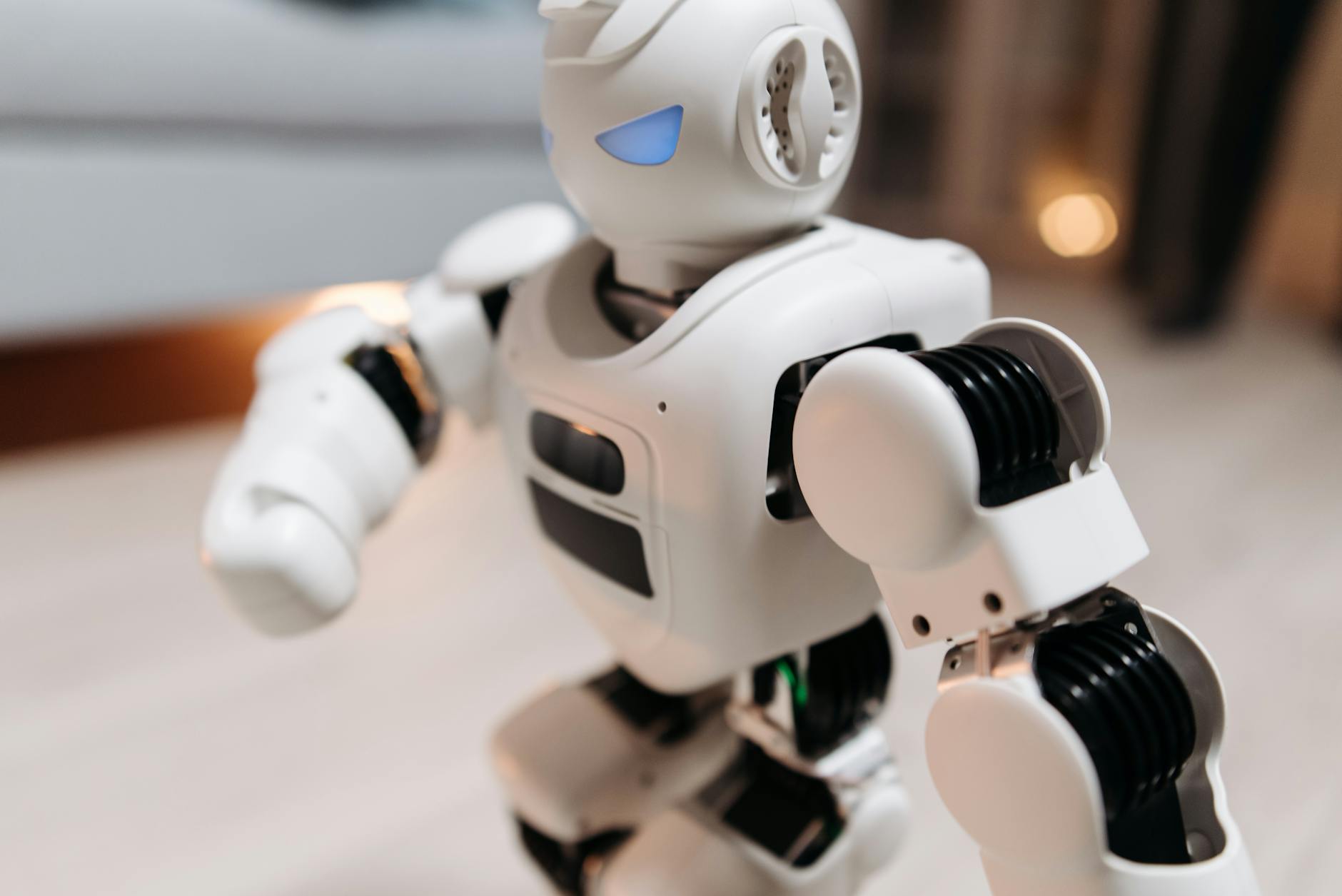
The platform is not software alone. Isaac Gr00t arrives as a physical reference design – meaning NVIDIA is specifying the hardware stack from the ground up, not just providing a framework for third-party builders to interpret. That distinction matters because it reduces the variable that has long frustrated humanoid robotics research: inconsistent hardware foundations that make it nearly impossible to compare results across labs or development teams.
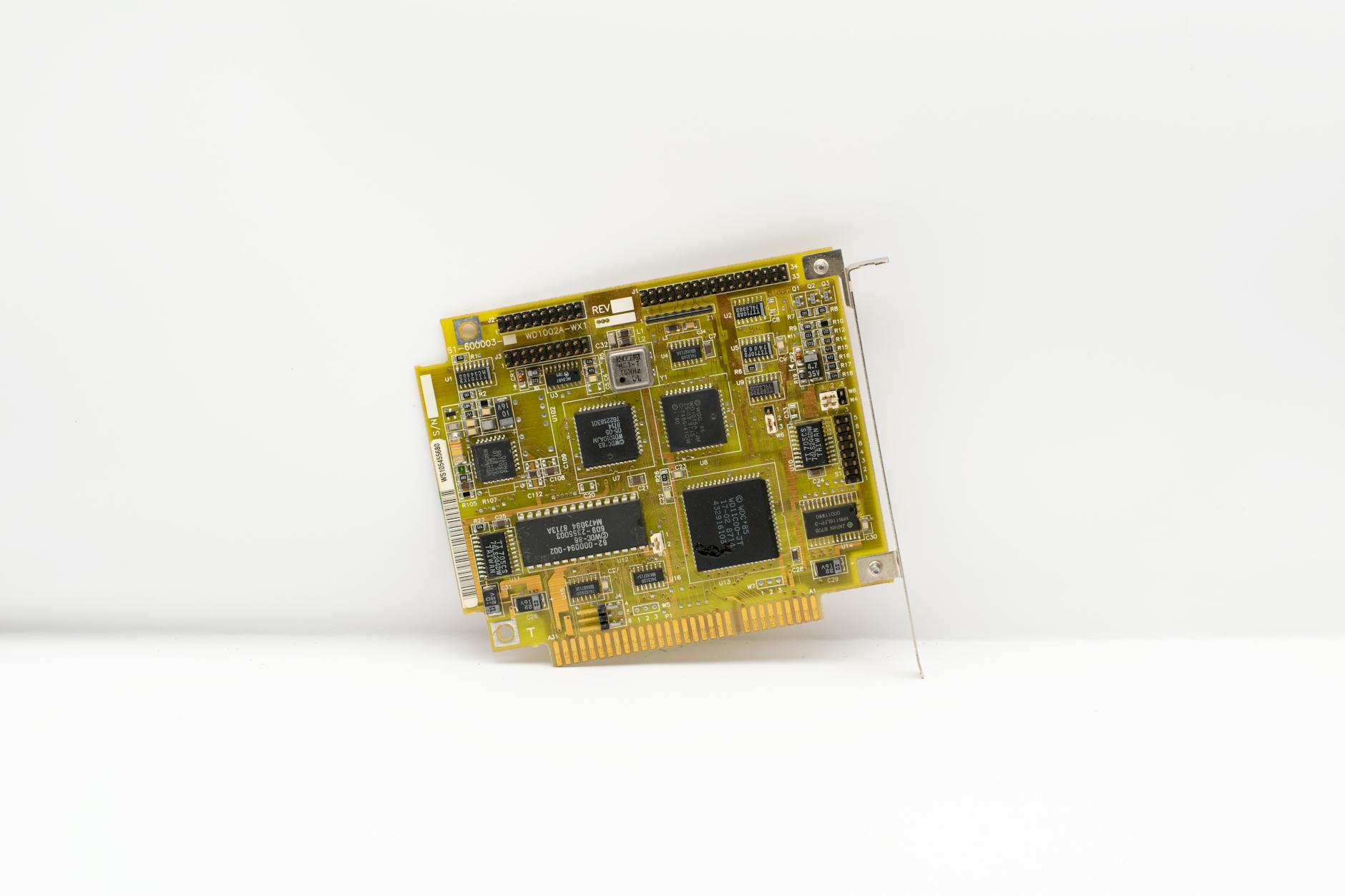
At the center of the compute side is the NVIDIA Jetson Thor, the company’s robotics-focused system-on-module. Jetson Thor was designed specifically to handle the real-time sensor fusion, motion planning, and AI inference workloads that humanoid robots demand. Pairing it directly with the reference body means researchers working within the Isaac Gr00t platform share a common computational baseline, which is where reproducible results actually begin.
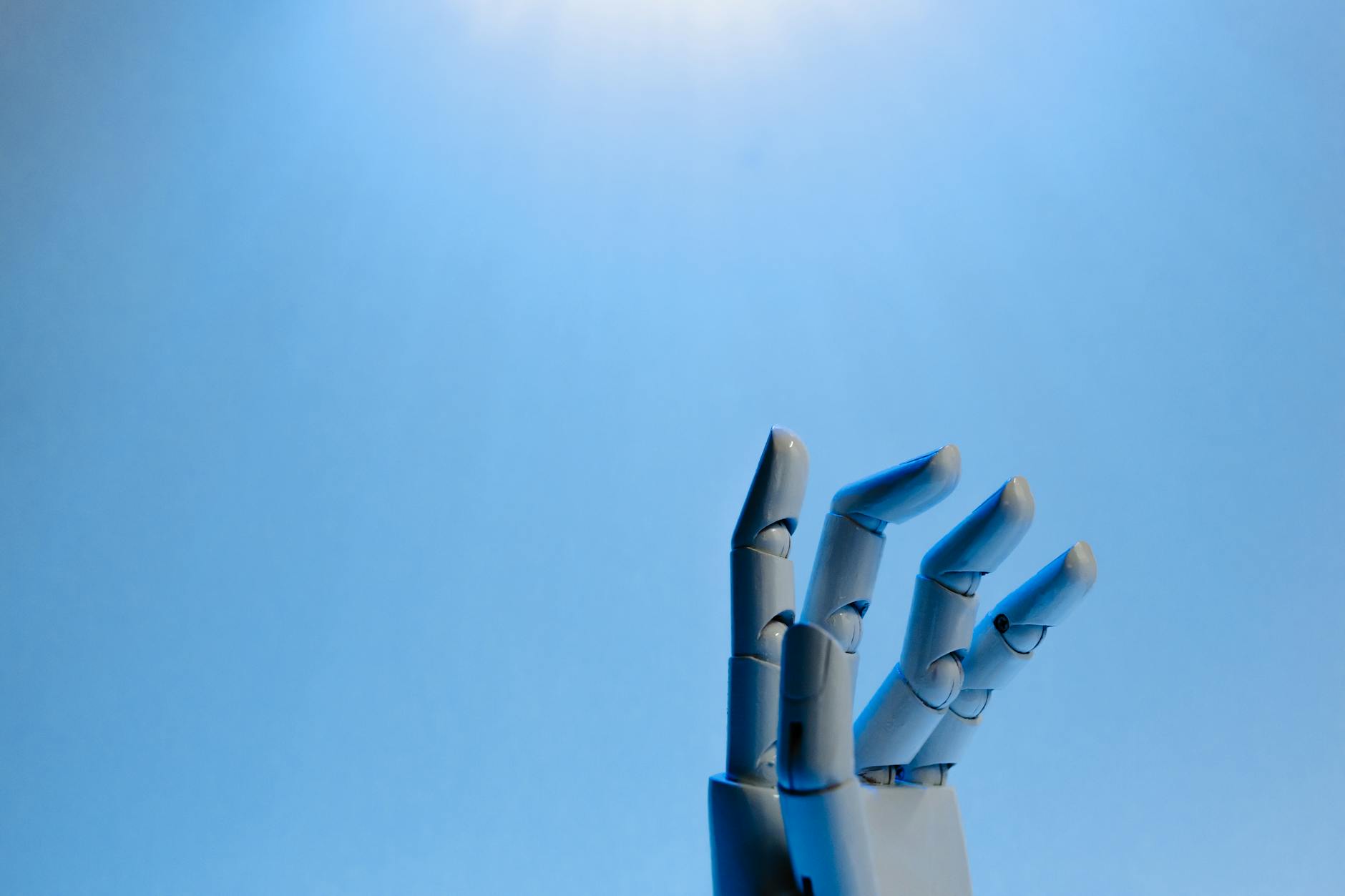
The inclusion of five-fingered hands is the hardware decision that draws the most attention. Dexterous manipulation – picking up irregular objects, turning handles, applying precise grip force – has been the mechanical wall that simpler end-effectors cannot clear. Most industrial robots still use two-finger grippers or suction tools because they are faster to program and far more reliable. Five-fingered hands introduce enormous mechanical and control complexity. NVIDIA building them directly into the reference design signals that the platform is oriented toward research problems that require that complexity, not toward production floor automation.
The full humanoid form factor – bipedal, upright, proportioned for human environments – adds another layer. A robot built to navigate spaces designed around a human body can, in principle, operate in homes, hospitals, and offices without infrastructure changes. That potential has driven significant investment across the humanoid sector over the past two years, with companies including Figure, Agility Robotics, and 1X all pushing toward commercial deployment. NVIDIA’s reference platform gives researchers a standardized entry point into that same design space.
NVIDIA’s Expanding Position in Physical AI
NVIDIA has been building its robotics infrastructure steadily, and Isaac Gr00t sits inside a larger ecosystem the company calls Isaac – a collection of simulation tools, pretrained models, and development frameworks targeting robot learning. The Gr00t model family, which gives the platform its name, focuses on generalist robot policies: training approaches that allow a robot to perform a range of tasks rather than being locked to a single programmed behavior. Attaching that model lineage to a physical hardware platform is a concrete step from simulation into the real world.
The Jetson line has historically served edge AI applications – cameras, medical devices, small autonomous vehicles – but Jetson Thor represents a significant jump in capability. NVIDIA designed it to handle transformer-based models on-device, which is what running a generalist policy in real time requires. Without sufficient local compute, a humanoid robot either depends on a network connection for inference or operates with simplified, less capable models. Jetson Thor eliminates that tradeoff for researchers who adopt the reference design.
Framing Isaac Gr00t as a reference design rather than a finished product is deliberate. Reference designs exist to be adopted, modified, and built upon. By publishing the architecture openly to researchers, NVIDIA positions itself as the underlying infrastructure provider for whatever breakthroughs emerge from the platform – a posture the company has successfully used in GPU computing, where developers building on CUDA have consistently deepened NVIDIA’s relevance over time.
The research community’s access to a standardized humanoid platform also accelerates the data collection problem. Training capable humanoid policies requires enormous volumes of demonstration data – recordings of a robot successfully completing tasks that a learning algorithm can generalize from. When every lab uses different hardware, data collected in one environment rarely transfers cleanly to another. A shared reference design doesn’t eliminate that problem, but it reduces one major source of incompatibility.
It is worth noting that the announcement describes researcher access specifically. NVIDIA has not positioned Isaac Gr00t as a commercial product available for general purchase, which suggests the near-term focus is on generating research results and model development rather than shipping units at scale. Whether the platform evolves toward a product available outside academic and research contexts depends on what the research community produces with it – and how quickly the underlying hardware and policy models mature.
Where the Gaps Remain
NVIDIA’s announcement covers the hardware configuration and the compute module, but the harder questions around Isaac Gr00t involve software and learning. Specifying a robot body and a chip does not automatically produce a system that can fold laundry or assist a patient out of a chair. The Gr00t model family addresses this, but the quality and breadth of pretrained capabilities – and how much additional training researchers will need to do before the platform becomes genuinely useful in applied settings – remain to be demonstrated in practice.
Five-fingered hands on a research platform raise an immediate question about durability and maintenance. Dexterous hands are mechanically fragile compared to simpler end-effectors, and a research environment involves repeated failure cycles by design. If hardware replacement costs or lead times become a bottleneck, labs may find themselves constrained by logistics rather than research ambition – which is exactly the kind of friction a reference platform is supposed to eliminate.