

In May 2025, MIT Technology Review’s David Rotman published a feature arguing that AI could lock the US into continued dependence on natural gas. Eighteen months on, the evidence keeps piling up in his favor. The world’s rising electricity demand could technically be met by other sources, including wind and solar backed by batteries. In the US, though, the data center boom is feeding a large natural-gas resurgence instead.
The Meta data center in Louisiana that anchored Rotman’s story is a good example. Its plans have grown, and so has its appetite for power. The local utility has gone from three planned natural-gas plants to 10. Developers are now also looking past the grid altogether, drawing up off-grid gas plants to power their facilities directly.
The queue is changing color
One way to read the future of the grid is to look at interconnection queues, the lists of power plants that have asked to be connected to the system. For years these lists have been dominated by wind and solar, which are generally the cheapest way to add new capacity today. That pattern is breaking in some regions.
The clearest case is PJM, the largest grid operator in the country, covering parts of 13 states from Illinois to Washington, DC. In August, PJM said it had accepted 715 projects, totaling more than 200 gigawatts of capacity, into its queue. Nearly half of that capacity is natural-gas generation.
Kevin Kircher, an energy modeler and assistant professor of mechanical engineering at Purdue, analyzed what happens if everything in the queue gets built. The fossil-fuel share of PJM’s grid would climb from 61% to 67%. Gas is already the single biggest source of electricity in the US, and PJM’s queue looks like a regional version of a national habit: when demand jumps, gas is the default answer.
Emissions are following the load
The effect is already visible in corporate carbon accounting. Meta’s emissions rose 45% over the previous year, according to its 2026 Sustainability Report. That outpaces the increases at Microsoft (25%), Google (18%), and Amazon (16%). All four are building for AI, but Meta’s jump is the steepest.
The report also says Meta is “reevaluating” its goal of reaching net-zero emissions by 2030. It gives no detail on how or when a decision might come. It does state that when the grid can’t deliver power “on the necessary timeline,” the company will turn to other methods, including generating electricity on-site.
Skipping the grid entirely
That last line points to a trend gaining speed. Waiting for a grid connection takes time, so some data center developers plan to build their own power plants and avoid the line.
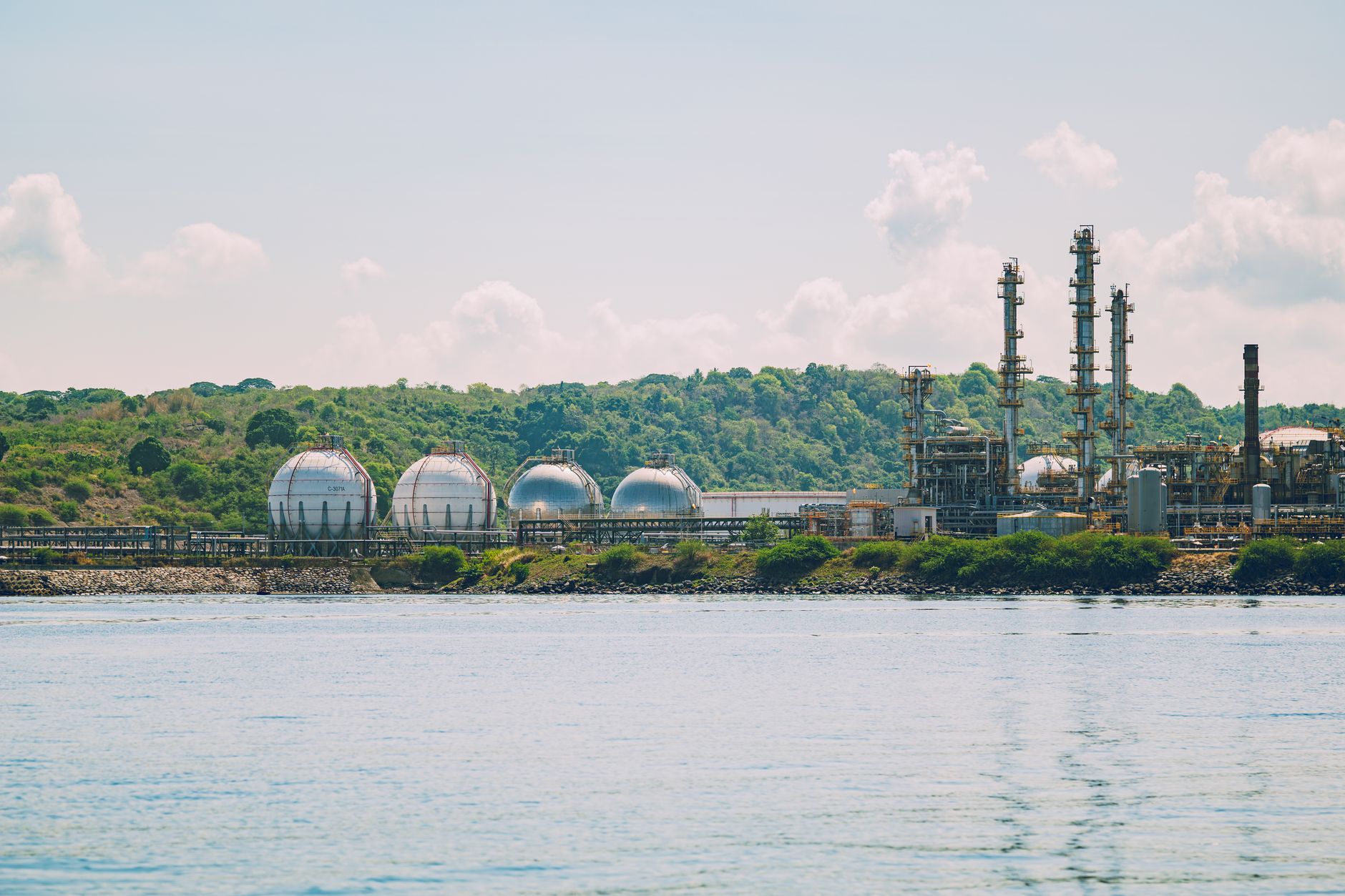
Industrial sites supplying their own power is nothing new. Chemical plants often run gas infrastructure on-site to produce electricity and heat, though they usually stay tied to the grid as well. Mining operations tend to be remote and need off-grid generation by necessity. The data center version differs in scale and motive: speed to market, not isolation.
More than 100 off-grid data center power facilities have been proposed in the US, with a combined capacity of 115 gigawatts. That is more than double the entire peak power demand of California. Whatever happens to these projects, the volume of paperwork shows how much developers want to avoid the queue.
Alternatives exist. Wind and solar are inexpensive, and pairing them with batteries can improve their reliability. Demand flexibility, which means limiting power use at moments of peak strain, is another lever. Yet the proposals piling up point toward gas turbines, and the vast majority of those off-grid sites have been proposed since the start of 2025.