


Nvidia has stopped shipping servers to four countries in Southeast Asia, a move that shows how far its crackdown on China’s access to advanced chips now reaches. The restriction is no longer a bilateral matter between Washington, Beijing, and one American chipmaker. It is changing who can build AI infrastructure across a whole region.
The Nvidia news led MIT Technology Review’s Friday newsletter, The Download, alongside a run of other stories: a breach of the US Air Force’s flagship cloud platform, AI shopping agents entering a $1 trillion holiday season, and a prosthetic hand that may open a window onto how the brain represents the body. The newsletter also announced that nominations are open for the 2027 Innovators Under 35 list.
Singapore Lobbies as Asia’s AI Supply Line Tightens
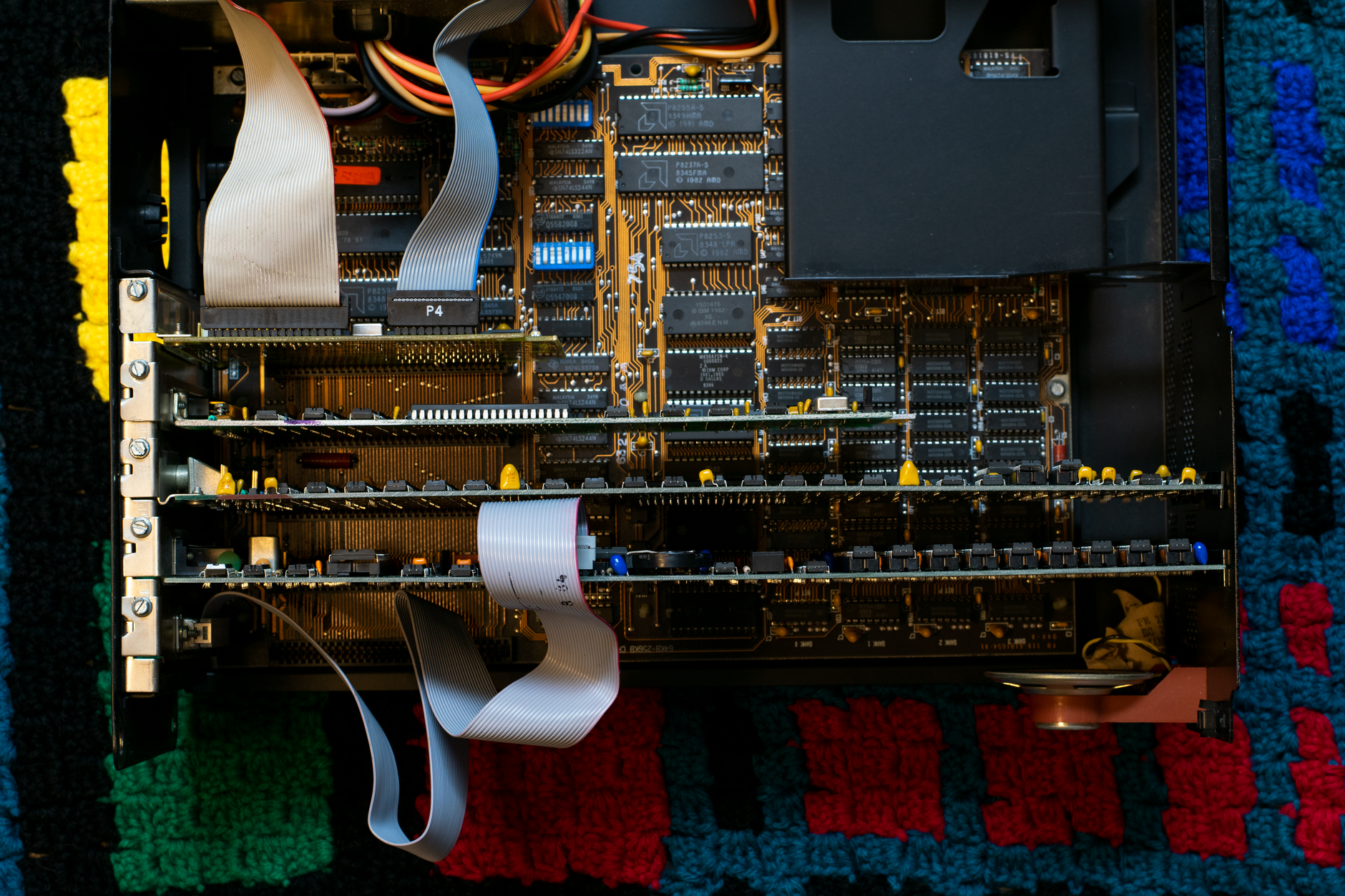
Singapore is lobbying the US to preserve its access to AI chips, according to Bloomberg. That a wealthy, well-connected trading hub feels the need to make its case in Washington suggests how little certainty buyers in the region now have. Asian economies have grown increasingly dependent on Nvidia hardware, so a change in shipping policy lands as an economic issue as well as a technical one.
The market reaction was split. Chinese chip stocks had their best day ever, as investors bet that restricted access to Nvidia products will push demand toward domestic suppliers. Meanwhile, AI-linked exports are still booming across Asia, though the Wall Street Journal’s framing was “for now.” Both the boom and the dependence are real at once, and a supply line that carries so much export revenue is also a point of leverage. For more on how the industry has dealt with efforts to monitor where chips end up, see Nvidia Told a Congressman Chip Tracking Works While Industry Said No.
Breaches, Drones, and a Cryptography Warning
Hackers have breached the US Air Force’s flagship cloud platform, which holds sensitive tactical, personnel, and logistics data. Reuters reported the intrusion. It is not the only one making headlines this week. A separate hack stole data from FIFA, and another cyber attack has hit the UK’s pension and benefits systems. The targets differ widely, from a military branch to a sports governing body to systems that millions of people rely on for income.
The physical threats are rising too. Attacks by cheap armed drones increased 4,000% globally between 2020 and 2024, and civilians around the world are bearing the brunt of them. The aircraft involved are inexpensive, which keeps them within reach of many actors. Europe, for its part, has laid out a drone-filled vision for how future wars might be fought, so the same technology is being embraced by planners even as its harm to civilians grows.
Then there is encryption. Nature reports that AI may soon break the internet’s encryption, with new algorithms that could crack public-key cryptography. That is the system that protects logins, payments, and private messages.
The word “could” matters in that report, because nothing has been broken yet. But the warning lands in a week when the Air Force cloud, FIFA, and UK benefits systems were all hit by attackers who did not need new mathematics to get in. If cryptographic defenses weaken as well, the margin for error on everything else shrinks.

A $1 Trillion Test for AI Shopping Agents
The holiday shopping season has become a live trial for AI-driven retail. Google, Amazon, Meta, and OpenAI are all competing to reshape how people shop, and the stakes are a season worth $1 trillion. Many shoppers are already turning to AI tools to track down Black Friday deals, which means the products are being used at scale rather than only demonstrated.
Retailers have called for new guardrails. The request is notable because those same retailers depend on the platforms that are building the shopping assistants. If a bot decides which products a customer sees, the store has less say over how it is presented. It is an open question who sets the rules, and the first answers will probably emerge from this holiday season’s results.
Bionic Hands, Young Inventors, and Everything Else
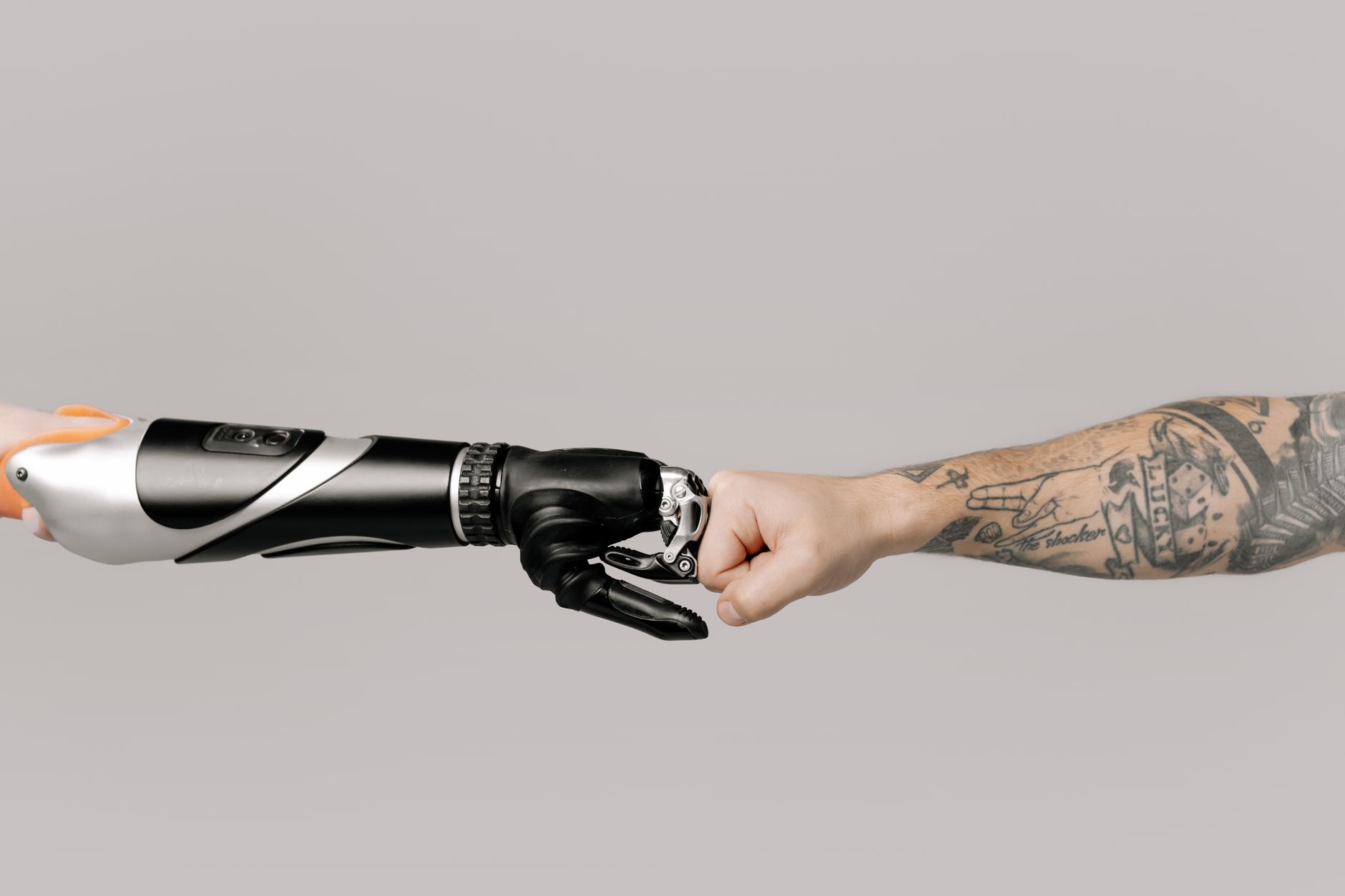
The Download’s featured story comes from Jessica Hamzelou’s weekly biotech newsletter, The Checkup, and it centers on Avi Davidson. A horrific injury as a teenager left him paralyzed and without his left hand. Today he works as a trauma therapist, and he is taking part in a clinical trial of technology that lets him move and feel through a prosthetic hand. Before the trial began, researchers scanned his brain to see how the missing hand was represented there.
The central question is whether that representation will change now that he can use and sense a prosthetic. The answer could also say something about people born without limbs, whose brains never had a hand to map in the first place. Few prosthetics studies are set up to ask that kind of question.
The newsletter also marked the opening of nominations for the 2027 Innovators Under 35 competition. Each year MIT Technology Review honors 35 young scientists, entrepreneurs, and inventors, and it is looking for people working on problems from human disease to climate change, as well as those with clever inventions or early-career discoveries. Nominees can live anywhere but must be under 35 on October 1, 2027, and people may nominate themselves. The rest of the roundup was lighter on stakes but not on curiosity:
- New images show the damage from NASA’s asteroid-deflection test, with a crater the size of a stadium tied to the Hera mission.
- Scientists have used Grand Theft Auto’s maps to model rising sea levels and other effects of climate change.
- Physicists plan an ultracold-atom experiment to measure how long particles take to travel, a longstanding quantum puzzle.
- X has added parental controls for teenagers, though it gives teens a say in the matter.
- Jensen Huang is back, and so is his Denny’s plaque.
If Nvidia’s restrictions keep spreading, which governments get the next call?